Buy validcc.eu ?
We are moving the project
validcc.eu .
Are you interested in purchasing the domain
validcc.eu ?
domain@kv-gmbh.de · 0541-91531010
Buy validcc.eu ?
What is the difference between a direct current generator and an alternating current generator?
A direct current (DC) generator produces a constant flow of electric charge in one direction, while an alternating current (AC) generator produces an electric current that periodically reverses direction. In a DC generator, the output voltage remains constant, while in an AC generator, the voltage changes direction periodically. AC generators are more commonly used in power generation and distribution systems due to their ability to easily change voltage levels and travel long distances with minimal loss. **
Does a generator without a commutator produce direct current or alternating current?
A generator without a commutator produces alternating current (AC). In a generator with a commutator, the commutator reverses the direction of the current flow in the external circuit, resulting in direct current (DC) output. Without a commutator, the current flow in the external circuit will alternate direction, producing AC. **

Similar search terms for - Current
Top-Angebote
Products related to - Current:
-
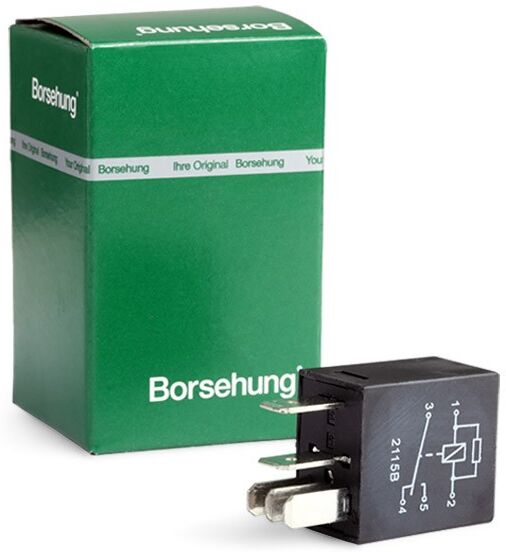
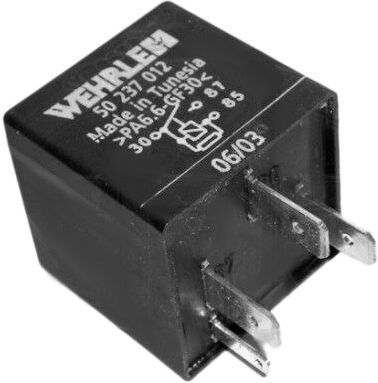
Borsehung B17806 Relay, main currentConstruction Year from: 01/2009, 11/1995, 03/2006, 01/1997, 06/2010, 11/1996, 05/2010, 10/1997, 09/1997, 08/1997, 03/2012, 08/2010, 02/2011, 02/2009, 08/2008, 04/2011, 09/2008, 09/1998, 08/1998, 05/2000, 03/2000, 10/1999, 06/2001, 04/2000, 01/2001, 02/2001, 04/2002, 06/2002, 02/2002, 09/2002, 08/2002, 05/2001, 12/2002, 10/2002, 01/2003, 09/2003, 05/2003, 03/2003, 08/2003, 04/2004, 05/2004, 07/2003, 01/2004, 03/2004, 10/2003, 12/2003, 02/2004, 02/2003, 07/2004, 08/2004, 09/2004, 06/2004, 01/2005, 03/2005, 05/2005, 11/2004, 02/2005, 08/2005, 07/2005, 11/2005, 10/2004, 01/2006, 12/2005, 04/2005, 10/2005, 09/2005, 09/2006, 06/2006, 10/2006, 05/2006, 11/2006, 12/2006, 08/2006, 07/2006, 06/2007, 07/2007, 01/2007, 02/2006, 11/2007, 10/2007, 05/2007, 09/2007, 04/2007, 08/2007, 01/2008, 02/2008, 05/2008, 04/2006, 12/2008, 02/2007, 11/2008, 10/2008, 07/2008, 04/2009, 07/2009, 09/2009, 12/2009, 11/2009, 03/2010, 08/2009, 01/2010, 02/2010, 04/2008, 07/20105,99 £*Shipping: 8,45 £Secure redirect to the provider
-
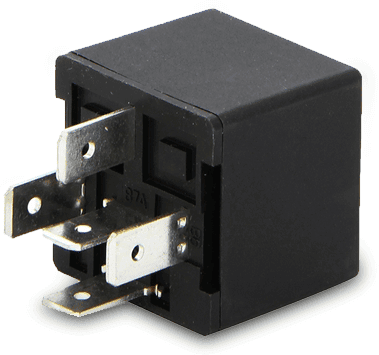
Borsehung B17818 Relay, main currentRelay function: Pre-glow device, X contact relief; Rated Voltage [V]: 12; Number of connectors: 4; Current Strength [A]: 70; Relay Number: 644; Construction Year from: 01/2006, 03/2010, 05/2010, 02/2010, 05/2002, 11/2002, 12/2002, 07/2003, 03/2003, 02/2003, 01/2004, 03/2004, 10/2003, 12/2003, 11/2003, 05/2004, 06/2004, 02/2004, 04/2004, 11/2004, 07/2004, 03/2005, 10/2004, 05/2005, 09/2004, 11/2005, 10/2005, 09/2005, 08/2005, 07/2005, 07/2006, 04/2006, 08/2006, 12/2005, 05/2006, 03/2006, 06/2006, 02/2005, 11/2006, 06/2005, 08/2007, 07/2007, 02/2007, 09/2007, 06/2007, 12/2007, 11/2007, 03/2008, 02/2006, 09/2008, 12/2006, 08/2008, 07/2009, 10/2009, 01/2010, 08/2009, 11/2009, 01/2008, 02/2008, 09/20098,59 £*Shipping: 8,45 £Secure redirect to the provider


-
How does an alternating current generator work?
An alternating current (AC) generator works by using a magnetic field to induce an alternating voltage in a coil of wire. When the coil is rotated within the magnetic field, the changing magnetic flux induces an alternating current in the wire. This alternating current can then be used to power electrical devices. The rotation of the coil can be achieved through various means, such as using a turbine in a hydroelectric power plant or a steam turbine in a thermal power plant. **
-
Should one use direct current (DC) or alternating current (AC) for a generator?
The choice between using direct current (DC) or alternating current (AC) for a generator depends on the specific application. DC generators are often used in small, portable devices such as flashlights and small electronics because they are simpler and more efficient for these types of applications. On the other hand, AC generators are more commonly used for larger-scale power generation and distribution because AC can be easily converted to different voltages using transformers and can be transmitted over long distances with minimal loss. Therefore, the choice between DC and AC for a generator depends on the intended use and the specific requirements of the application. **
-
What is the difference between an alternating current and a direct current generator?
The main difference between an alternating current (AC) generator and a direct current (DC) generator lies in the type of current they produce. An AC generator produces an electrical current that periodically reverses direction, while a DC generator produces a constant, unidirectional current. This difference is primarily due to the way the generators are designed and the type of electrical connections used. AC generators use slip rings and brushes to produce alternating current, while DC generators use a commutator to produce direct current. **
-
How is the structure of a direct current and alternating current generator similar?
The structure of a direct current (DC) generator and an alternating current (AC) generator is similar in that they both consist of a magnetic field, a conductor, and a means of converting mechanical energy into electrical energy. Both types of generators use the principle of electromagnetic induction to produce electricity. In both cases, a conductor is rotated within a magnetic field, which induces a flow of electrons and generates an electrical current. The main difference lies in the way the current is produced and the type of output they provide - DC generators produce a constant, unidirectional current, while AC generators produce a fluctuating, alternating current. **

What is an alternating current generator in physics?
An alternating current (AC) generator is a device that converts mechanical energy into electrical energy by using the principle of electromagnetic induction. It consists of a rotating coil of wire, called the armature, within a magnetic field. As the armature rotates, it cuts through the magnetic field, inducing an alternating current in the coil. This alternating current can then be used to power electrical devices. AC generators are commonly used in power plants to generate electricity for homes, businesses, and industries. **
Why is the alternating current generator used specifically?
The alternating current (AC) generator is used specifically because it is capable of producing electricity at higher voltages and can be easily transmitted over long distances with minimal loss. Additionally, AC generators are more efficient and cost-effective compared to direct current (DC) generators. The ability to easily change the voltage of AC power using transformers also makes it more versatile for various applications, such as in homes, industries, and power grids. Overall, the AC generator's ability to produce high voltage, transmit power over long distances, and its versatility make it the preferred choice for generating electricity. **
Top-Angebote
Products related to - Current:
-
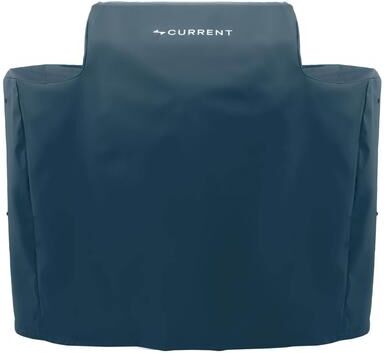
Current Softflex Dark Blue Grill Cover For Current Model G and Model G 2.0Protect your investment with the Ocean Colored Current Softflex Cover. It is lightweight yet built to withstand the elements and custom sized to fit your Current grill or griddle. Machine washable, and made to last and stylish.99,99 $*Shipping: 0,00 $Secure redirect to the provider
-
Borsehung B17806 Relay, main currentConstruction Year from: 01/2009, 11/1995, 03/2006, 01/1997, 06/2010, 11/1996, 05/2010, 10/1997, 09/1997, 08/1997, 03/2012, 08/2010, 02/2011, 02/2009, 08/2008, 04/2011, 09/2008, 09/1998, 08/1998, 05/2000, 03/2000, 10/1999, 06/2001, 04/2000, 01/2001, 02/2001, 04/2002, 06/2002, 02/2002, 09/2002, 08/2002, 05/2001, 12/2002, 10/2002, 01/2003, 09/2003, 05/2003, 03/2003, 08/2003, 04/2004, 05/2004, 07/2003, 01/2004, 03/2004, 10/2003, 12/2003, 02/2004, 02/2003, 07/2004, 08/2004, 09/2004, 06/2004, 01/2005, 03/2005, 05/2005, 11/2004, 02/2005, 08/2005, 07/2005, 11/2005, 10/2004, 01/2006, 12/2005, 04/2005, 10/2005, 09/2005, 09/2006, 06/2006, 10/2006, 05/2006, 11/2006, 12/2006, 08/2006, 07/2006, 06/2007, 07/2007, 01/2007, 02/2006, 11/2007, 10/2007, 05/2007, 09/2007, 04/2007, 08/2007, 01/2008, 02/2008, 05/2008, 04/2006, 12/2008, 02/2007, 11/2008, 10/2008, 07/2008, 04/2009, 07/2009, 09/2009, 12/2009, 11/2009, 03/2010, 08/2009, 01/2010, 02/2010, 04/2008, 07/20105,99 £*Shipping: 8,45 £Secure redirect to the provider
-
What is the difference between a direct current generator and an alternating current generator?
A direct current (DC) generator produces a constant flow of electric charge in one direction, while an alternating current (AC) generator produces an electric current that periodically reverses direction. In a DC generator, the output voltage remains constant, while in an AC generator, the voltage changes direction periodically. AC generators are more commonly used in power generation and distribution systems due to their ability to easily change voltage levels and travel long distances with minimal loss. **
-
Does a generator without a commutator produce direct current or alternating current?
A generator without a commutator produces alternating current (AC). In a generator with a commutator, the commutator reverses the direction of the current flow in the external circuit, resulting in direct current (DC) output. Without a commutator, the current flow in the external circuit will alternate direction, producing AC. **
-
How does an alternating current generator work?
An alternating current (AC) generator works by using a magnetic field to induce an alternating voltage in a coil of wire. When the coil is rotated within the magnetic field, the changing magnetic flux induces an alternating current in the wire. This alternating current can then be used to power electrical devices. The rotation of the coil can be achieved through various means, such as using a turbine in a hydroelectric power plant or a steam turbine in a thermal power plant. **
-
Should one use direct current (DC) or alternating current (AC) for a generator?
The choice between using direct current (DC) or alternating current (AC) for a generator depends on the specific application. DC generators are often used in small, portable devices such as flashlights and small electronics because they are simpler and more efficient for these types of applications. On the other hand, AC generators are more commonly used for larger-scale power generation and distribution because AC can be easily converted to different voltages using transformers and can be transmitted over long distances with minimal loss. Therefore, the choice between DC and AC for a generator depends on the intended use and the specific requirements of the application. **
Similar search terms for - Current
-
Borsehung B17818 Relay, main currentRelay function: Pre-glow device, X contact relief; Rated Voltage [V]: 12; Number of connectors: 4; Current Strength [A]: 70; Relay Number: 644; Construction Year from: 01/2006, 03/2010, 05/2010, 02/2010, 05/2002, 11/2002, 12/2002, 07/2003, 03/2003, 02/2003, 01/2004, 03/2004, 10/2003, 12/2003, 11/2003, 05/2004, 06/2004, 02/2004, 04/2004, 11/2004, 07/2004, 03/2005, 10/2004, 05/2005, 09/2004, 11/2005, 10/2005, 09/2005, 08/2005, 07/2005, 07/2006, 04/2006, 08/2006, 12/2005, 05/2006, 03/2006, 06/2006, 02/2005, 11/2006, 06/2005, 08/2007, 07/2007, 02/2007, 09/2007, 06/2007, 12/2007, 11/2007, 03/2008, 02/2006, 09/2008, 12/2006, 08/2008, 07/2009, 10/2009, 01/2010, 08/2009, 11/2009, 01/2008, 02/2008, 09/20098,59 £*Shipping: 8,45 £Secure redirect to the provider
-
What is the difference between an alternating current and a direct current generator?
The main difference between an alternating current (AC) generator and a direct current (DC) generator lies in the type of current they produce. An AC generator produces an electrical current that periodically reverses direction, while a DC generator produces a constant, unidirectional current. This difference is primarily due to the way the generators are designed and the type of electrical connections used. AC generators use slip rings and brushes to produce alternating current, while DC generators use a commutator to produce direct current. **
-
How is the structure of a direct current and alternating current generator similar?
The structure of a direct current (DC) generator and an alternating current (AC) generator is similar in that they both consist of a magnetic field, a conductor, and a means of converting mechanical energy into electrical energy. Both types of generators use the principle of electromagnetic induction to produce electricity. In both cases, a conductor is rotated within a magnetic field, which induces a flow of electrons and generates an electrical current. The main difference lies in the way the current is produced and the type of output they provide - DC generators produce a constant, unidirectional current, while AC generators produce a fluctuating, alternating current. **
-
What is an alternating current generator in physics?
An alternating current (AC) generator is a device that converts mechanical energy into electrical energy by using the principle of electromagnetic induction. It consists of a rotating coil of wire, called the armature, within a magnetic field. As the armature rotates, it cuts through the magnetic field, inducing an alternating current in the coil. This alternating current can then be used to power electrical devices. AC generators are commonly used in power plants to generate electricity for homes, businesses, and industries. **
-
Why is the alternating current generator used specifically?
The alternating current (AC) generator is used specifically because it is capable of producing electricity at higher voltages and can be easily transmitted over long distances with minimal loss. Additionally, AC generators are more efficient and cost-effective compared to direct current (DC) generators. The ability to easily change the voltage of AC power using transformers also makes it more versatile for various applications, such as in homes, industries, and power grids. Overall, the AC generator's ability to produce high voltage, transmit power over long distances, and its versatility make it the preferred choice for generating electricity. **
* All prices are inclusive of VAT and, if applicable, plus shipping costs. The offer information is based on the details provided by the respective shop and is updated through automated processes. Real-time updates do not occur, so deviations can occur in individual cases. ** Note: Parts of this content were created by AI.